The response nobody taught us
Most of us learned early that big feelings were inconvenient at best. Embarrassing. Something to contain quickly, preferably behind closed doors where nobody else had to witness it. We absorbed the message that losing control meant something was fundamentally wrong with us.
So when our child shatters in the middle of Target, or refuses to get dressed for the third morning in a row, we feel it first in our own bodies. That urgent, almost primal need to make it stop right now.
Not because we're bad parents. Because we're still carrying the weight of our own unmet moments, our own big feelings that nobody stayed for.
What's actually happening in the meltdown
Your child isn't trying to ruin your day or manipulate you or test your limits on purpose. Their nervous system is completely overwhelmed, and tears are the only release valve they have. The flailing, the screaming, the refusal to be touched or comforted, none of it is defiance. It's a small body desperately trying to discharge what it can't process or contain anymore.
When we rush in to end it as fast as possible, we miss what they're actually communicating underneath all the chaos: I need you to stay with me while I can't hold myself together.
This is the part nobody mentions in any of the parenting books. Staying is the actual work.
Why your presence matters more than perfect words
You can have every strategy memorized. The calm voice, the limited choices, the validation scripts that sound so good in theory. And you can still completely miss the mark if you're delivering all of it from a dysregulated state.
Because children don't just hear our words. They feel our energy underneath everything we're saying. They sense immediately when we're trying to manage them back into compliance versus when we're truly with them in the storm.
Presence isn't passive or permissive. It's the most active thing you can offer in that moment. It says without words: Your storm doesn't scare me away. I can hold this intensity with you. You're not too much for me.
And that felt experience, being held through intensity without someone needing you to stop or be different, becomes the foundation for how they eventually learn to hold themselves.
The practice that changes everything
It starts with noticing. That moment right before you react, before you speak, before you intervene. That's where your real power lives.
Not the power to control their emotions or make them stop faster. The power to choose your own response. To breathe instead of bracing against what's happening. To soften your body instead of stiffening it. To stay instead of immediately trying to solve or fix.
This doesn't mean there are no boundaries. Limits still matter. But a boundary delivered while you're actually regulated lands in a completely different way than one delivered while you're flooded and reactive.
The work that carries you through
You can't regulate someone else while you're dysregulated yourself. The work always begins with you, with your own nervous system, with your own capacity to stay present.
With your breath coming back into your awareness. With noticing the tension sitting in your jaw, the speed of your heartbeat, the story running through your mind about what this tantrum means about you as a parent.
With pausing long enough to feel your feet on the floor, your body in the chair, the steadiness that's always available beneath the reactivity if you can find your way back to it.
That pause, that conscious return to your own body, is the most generous thing you can offer your child in their hardest moment. Because when you find your ground, they can borrow yours until they find theirs again.
The gift in this work isn't raising a child who never melts down or always keeps it together. It's becoming a parent who can stay present and connected when they don't.
That presence, more than any technique or strategy you could ever learn, is what allows them to eventually find their way back to themselves. And in the process of learning to stay for them, you might just find your way back to yourself too.
It all begins with something as simple as breath.
The Magic of Breathing / Die Magie des Atmens is a children's book that teaches little ones how to return to themselves, one breath at a time.
Discover The Magic of Breathing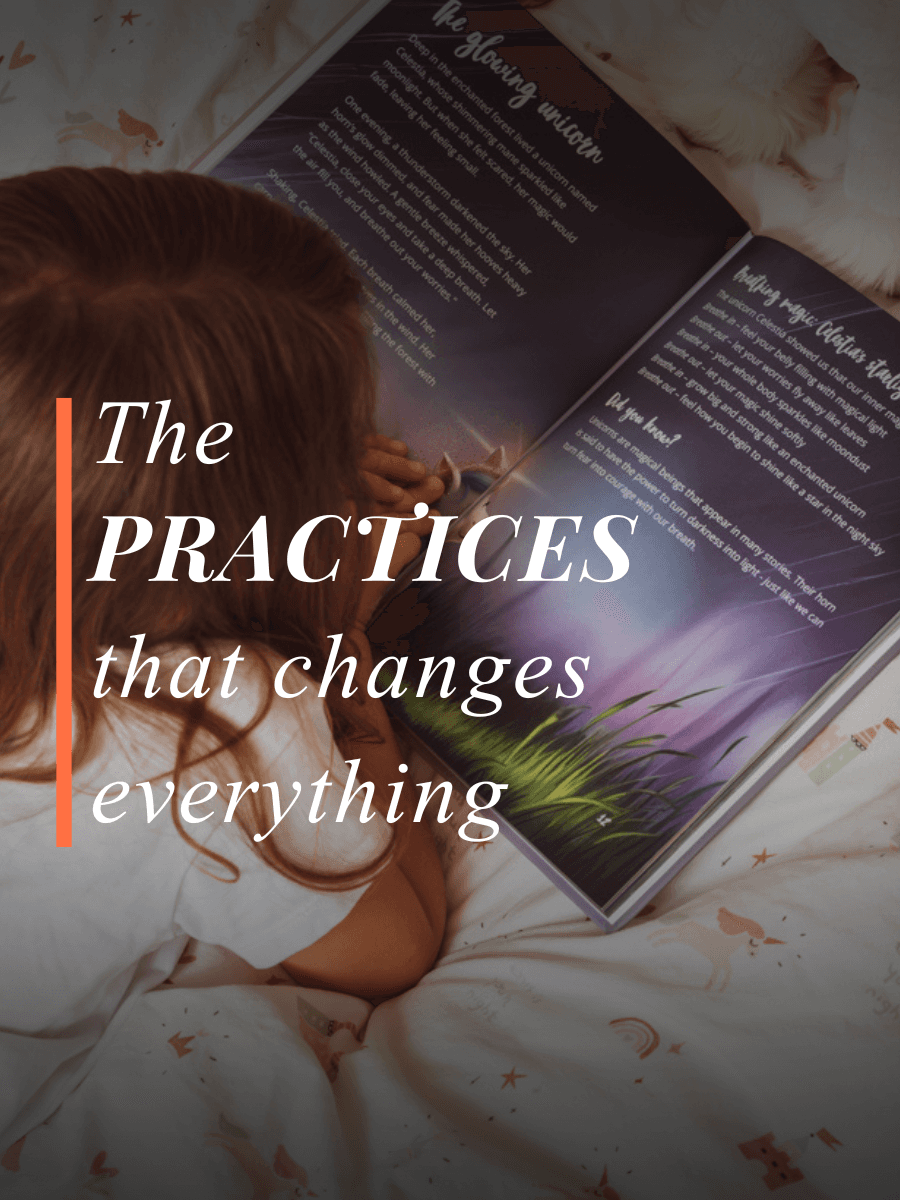
Originally published on Substack
Dominique Ceara
As a certified breathwork instructor, somatic healing practitioner, and life coach, I am dedicated to guiding others on their journey of healing, growth, and transformation. With a unique blend of ancient wisdom and modern techniques, I empower individuals to connect mind, body, and spirit, fostering resilience and clarity in every step of their personal evolution.