Your child is screaming in the middle of the grocery store. People are staring. You feel your chest tightening, your face getting hot, that familiar surge of panic rising.
But this panic? It's not really about them. It's about you. About the child you once were who wasn't allowed to fall apart like this. Who learned that big feelings meant punishment, shame, or being sent away.
Now your child is having the meltdown you never got to have. And your body is responding like you're the one in danger.
Why their tears feel like a threat
When your child loses control, something ancient activates in you. Not because they're doing anything wrong, but because their freedom to express what you had to suppress is triggering everything you learned to fear about emotional intensity.
You weren't held through your tantrums. You were silenced. Told to stop crying or you'd be given something to cry about. Sent to your room until you could pull yourself together.
So you learned. You learned that falling apart wasn't safe. That emotions needed to be controlled, managed, hidden away. That love was conditional on your ability to keep it together.
Now your child is doing what you never could. They're letting everything out. They're not editing. They're not performing calm. They're just feeling everything fully, loudly, without shame.
And watching them do that? It doesn't feel like childhood freedom. It feels dangerous. Like something that needs to stop immediately before something bad happens.
The response you can't control
You hear yourself saying the same things that were said to you. Stop crying. You're fine. This isn't that big of a deal. People are watching.
You feel the urgency to make it stop. To fix it fast. To get them back under control so you can breathe again.
Not because you don't love them. Not because you think they're bad. But because their dysregulation is activating your own unprocessed pain. Their meltdown is touching the part of you that's still that scared child who learned emotions weren't allowed.
Your body doesn't distinguish between their experience and your memory. It just knows that big feelings equal danger. That losing control means losing safety. That this needs to end now.
So you react from your wound instead of responding from your wisdom. You try to shut them down because no one taught you how to stay present with intensity. No one showed you that feelings can be big and still be safe.
What your reaction is really protecting
You're not trying to hurt your child. You're trying to protect them from what happened to you. From the shame. From the isolation. From learning that their emotions make them too much to handle.
But in trying to protect them, you're repeating the pattern. You're teaching them the same lesson you learned. That falling apart isn't okay. That big feelings need to be hidden. That they're only lovable when they're in control.
And somewhere underneath your urgency to make it stop, there's grief. Grief for the child you were who needed someone to stay. Who needed to know that losing control wouldn't mean losing love.
Your child is giving you a chance to heal that. Not by being perfect, but by learning to stay when everything in you wants to run or shut them down or make it all go away.
Learning to stay
Healing starts with recognizing what's yours and what's theirs. Their tantrum is about their overwhelmed nervous system trying to release what it can't hold. Your panic is about your history, your unmet needs, your unhealed wounds.
When you can see that separation, when you can notice I'm reacting to my past, not their present, something shifts. You get a moment of choice. A breath between their trigger and your response.
Sometimes you use that breath. You soften. You kneel down. You stay even though everything in you is screaming to make it stop.
Sometimes you don't. Sometimes you react exactly how you said you wouldn't. And then you come back. You repair. You tell them it wasn't about them. That you're learning too.
This work isn't about becoming a perfect parent who never gets triggered. It's about recognizing when you are triggered and choosing something different. About healing your own wounds so they don't become your child's inheritance.
Your child's meltdown isn't the problem. Your inability to be with it is. And that inability isn't your fault. You're just responding from what you learned. From what was done to you.
But now you get to learn something new. You get to prove to yourself and to them that big feelings don't destroy connection. That falling apart doesn't mean being abandoned. That love can hold all of it, even the messy, loud, overwhelming parts.
The magic of breathing is a children's book that teaches little ones how to find their way back to calm. But maybe it's teaching you too. How to breathe through the intensity. How to stay when everything in you wants to run. How to be the presence you never had.
Get it here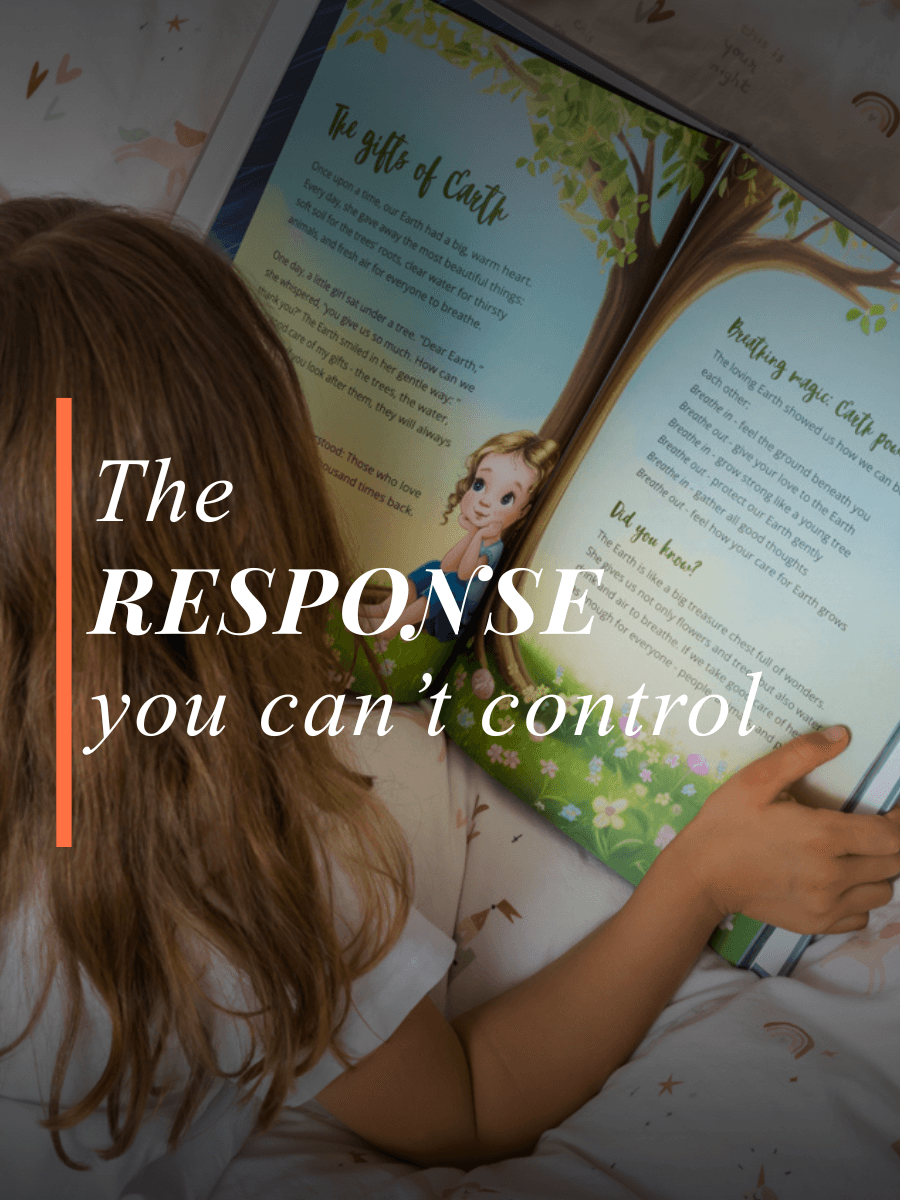
Originally published on Substack
Dominique Ceara
As a certified breathwork instructor, somatic healing practitioner, and life coach, I am dedicated to guiding others on their journey of healing, growth, and transformation. With a unique blend of ancient wisdom and modern techniques, I empower individuals to connect mind, body, and spirit, fostering resilience and clarity in every step of their personal evolution.